Antimicrobial Bioadhesive Hydrogel for Effective Corneal Repair and Regeneration
Tech ID: 34582 / UC Case 2026-508-0
Background
Current approaches for corneal injury repair include suturing with stitches and cyanoacrylate glue, which can cause severe adverse events like astigmatism, necrosis, microbial infection, and vitreous fluid leakage (the gel-like fluid that fills the eye), all of which hinder corneal healing. There is a current clinical need is for a seamless, adhesive patch that not only seals the wound but actively protects against infection and promotes natural and healthy tissue regeneration.
Brief Description
Professor Iman Noshadi and colleagues from the University of California, Riverside have developed an innovative, transparent, and highly effective material called BioPEG hydrogel for corneal repair. This technology is a next-generation anti-microbial bioadhesive that leverages a flexible polymer (PEGDA) to provide a scaffold that is supple enough to conform to the delicate surface of the eye and facilitate corneal repair and regeneration. This technology is advantageous because the antimicrobial hydrogel is applied as a liquid and rapidly cures using visible light to form a strong, watertight, and highly adhesive transparent patch.
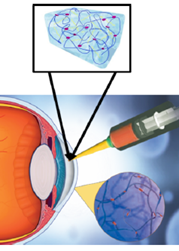
Fig 1: A schematic of the UCR BioPEG synthesis: visible light crosslinks the hydrogel structure from polyethylene glycol diacrylate (PEGDA) and bio-ionic liquid.
Suggested uses
- For use as a potential treatment for wounds caused by trauma, surgery, or disease located in delicate tissues like the cornea.
Patent Status
Patent Pending
Related Materials
Contact
- Grace Yee
- grace.yee@ucr.edu
- tel: View Phone Number.

Other Information
Keywords
Cornea, PEGDA, BioPEG, hydrogel, adhesive patch, antimicrobial, cornea damage

